When die cutting is enough
Choose this route when the main requirement is cutting and creasing printed sheets or paperboard blanks, and foil or embossing is not part of the current order.
Print finishing and paperboard converting
For carton, paperboard, label, cover, and premium packaging finishing. The suitable model depends on sheet size, material, pressure requirement, feeder style, stripping, embossing, and hot foil configuration.
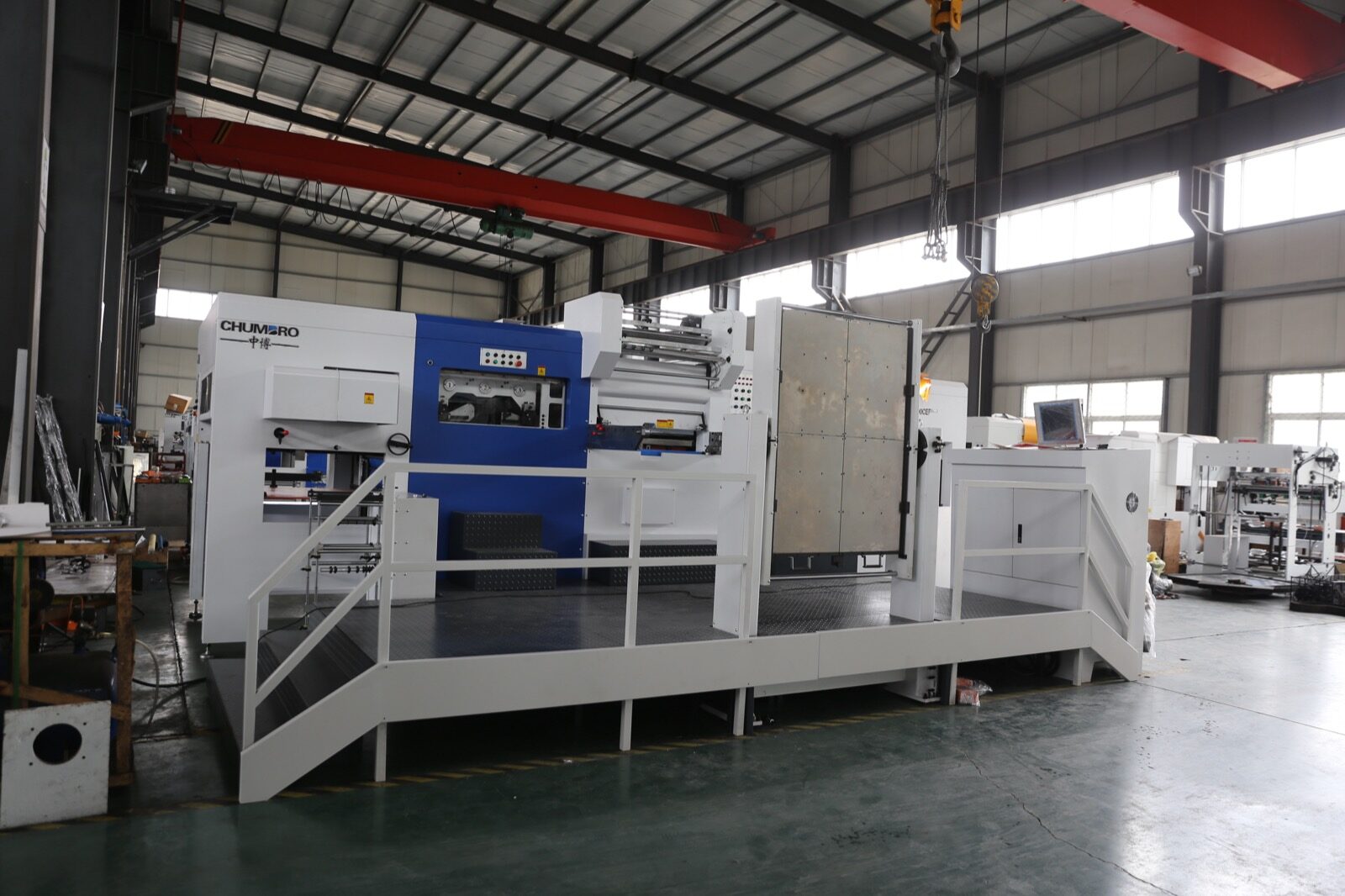
Application fit
Die cutting and foil stamping machines are selected after confirming the product structure. A packaging buyer may need simple die cutting and creasing, stripping after die cutting, hot foil stamping, embossing, or a combination of these processes.
For quotation, the product sample or drawing is more useful than a model name. It helps confirm whether the machine needs stripping, foil pulling, heating zones, chase size, feeder configuration, and material handling options.
Choose this route when the main requirement is cutting and creasing printed sheets or paperboard blanks, and foil or embossing is not part of the current order.
Confirm foil area, stamping position, foil colors, material surface, and whether embossing is required with the same machine configuration.
Stripping can reduce manual removal work after die cutting, but it should be matched to the sheet layout, product structure, and production target.
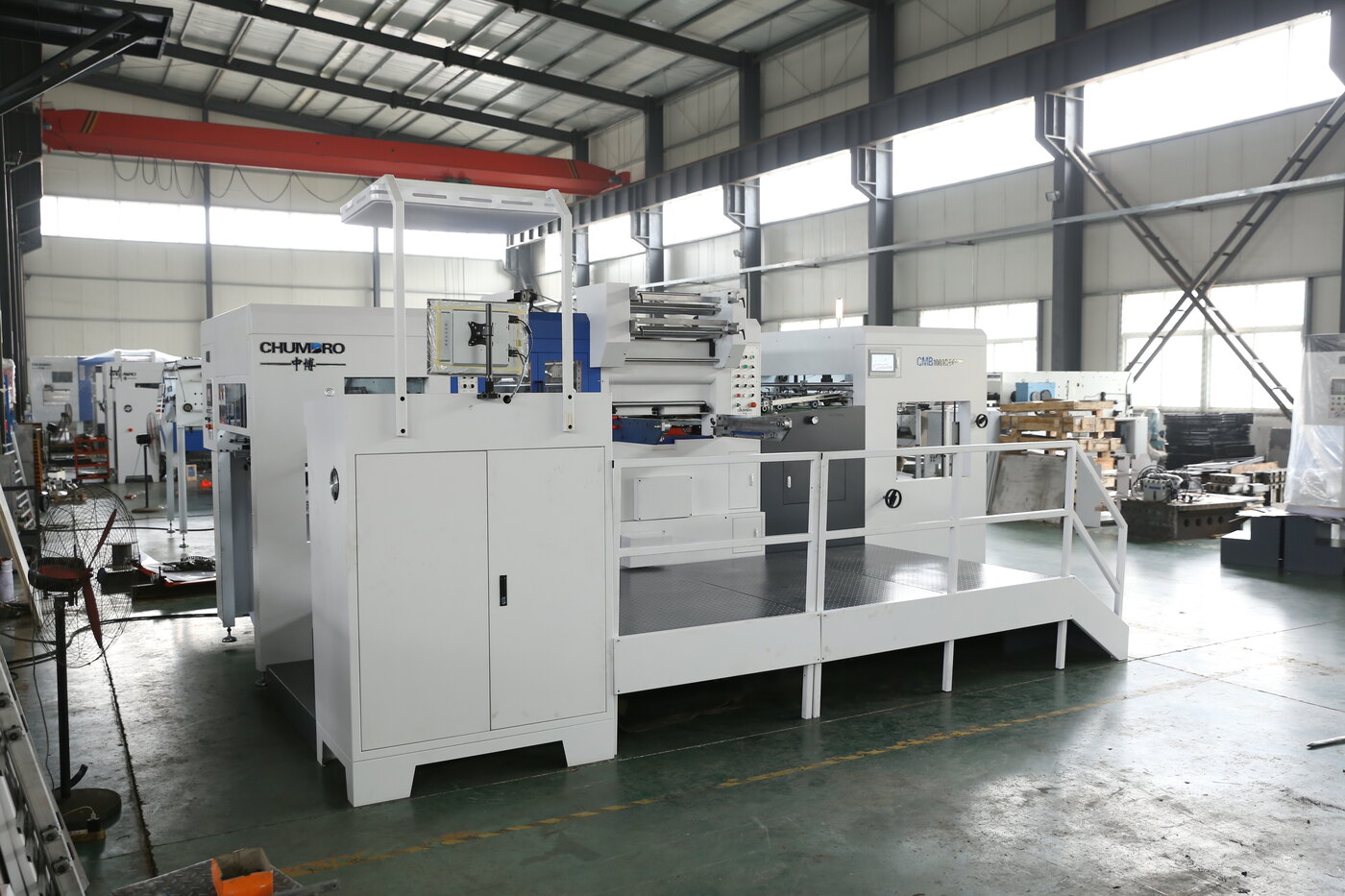
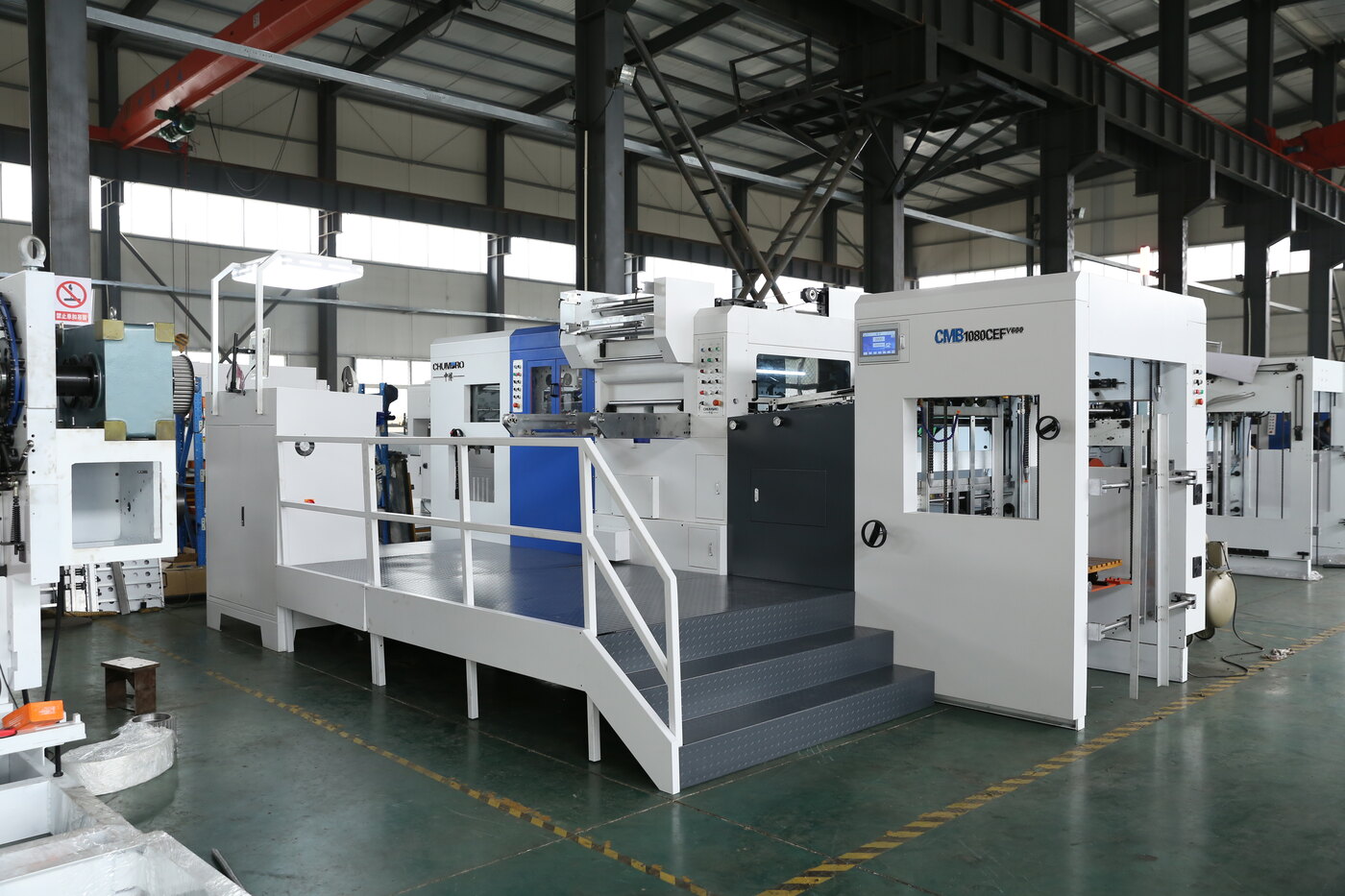
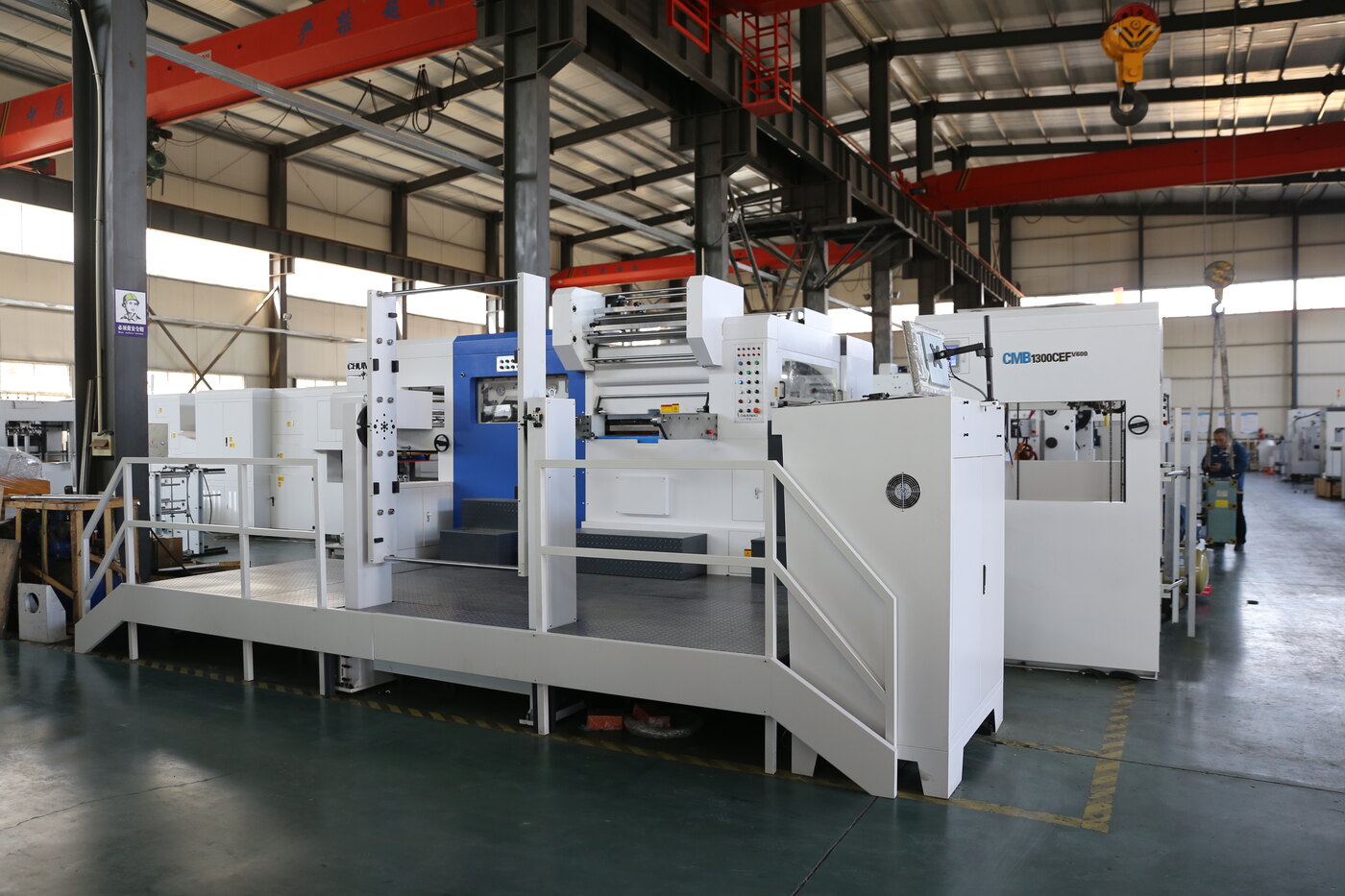
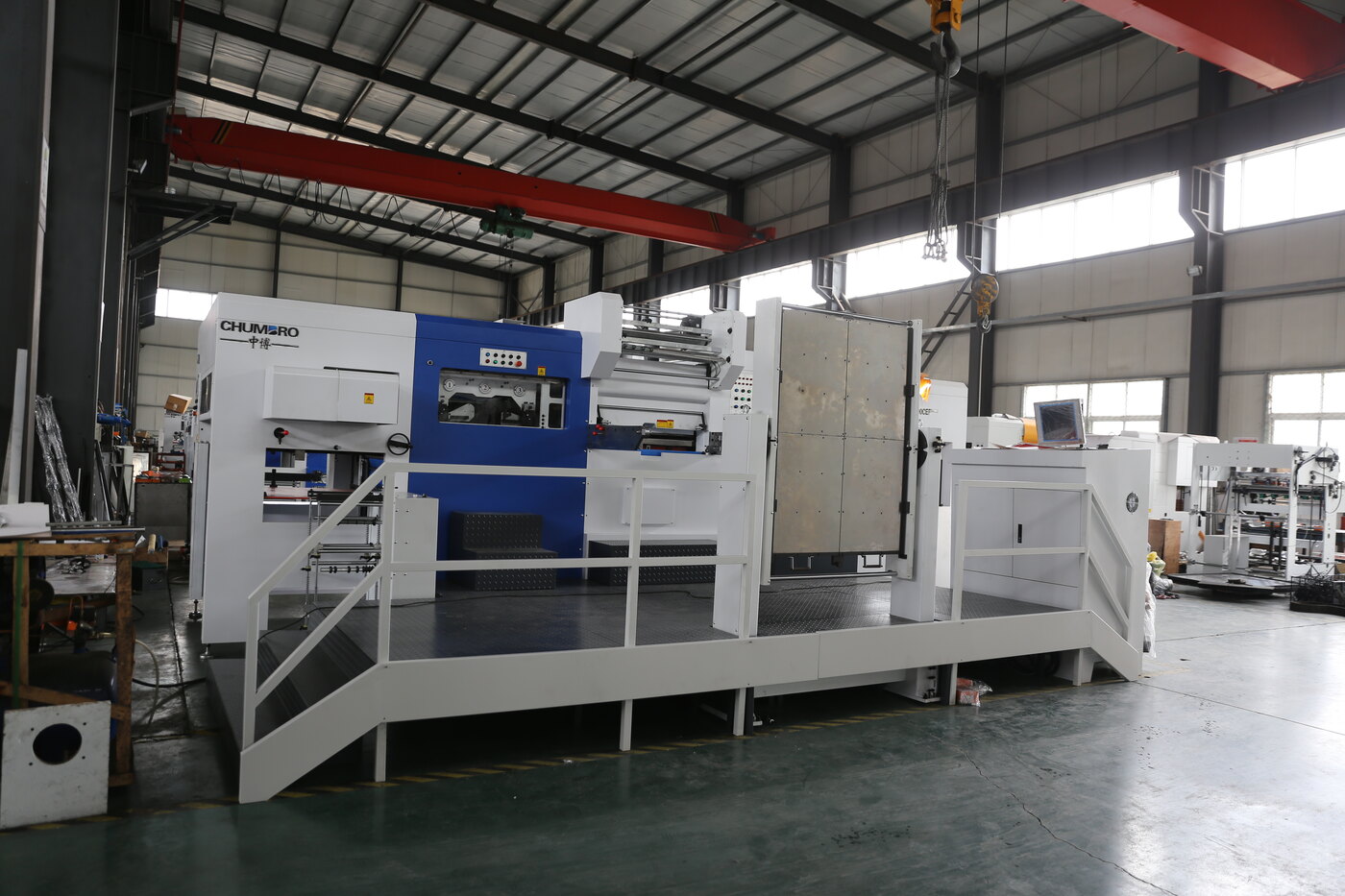
Zhongbo machine references / 中博设备参考图
These photos are used as machine reference materials for discussion. Final commercial resource, model, configuration, delivery time, and price should be confirmed in the written quotation.
Juxing product reference
Juxing public product pages also list flatbed die-cutting and creasing machine options. These names are used here as model references for buyer discussion only. Final commercial resource, model, configuration, working size, pressure, delivery time, and price should be confirmed in the written quotation.
Model references include SZ1200B, SZ1300B, and SZ1500B. Discuss this route when the buyer needs die cutting and creasing for cardboard, paperboard, or corrugated board applications.
Model references include QMY1200, QMY1300, and QMY1500 options. Front lead feeding can be discussed when the material condition and printed surface handling are important to the workflow.
Some public product references mention stripping-type die-cutting and down-suction paper feeding options. These should be checked against the buyer's product drawing, sheet layout, and production target before quotation.
If the buyer only needs die cutting and creasing, confirm whether hot foil stamping or embossing should be excluded from the quotation.
Configuration points
Max sheet size, min sheet size, paperboard thickness, corrugated board usage, and surface treatment affect feeder and pressure selection.
Die cutting, creasing, stripping, foil stamping, and embossing should be listed clearly so the quotation matches the required process.
Feeding accuracy, pile height, material stability, and delivery method are discussed according to production volume and operator workflow.
Foil pulling direction, foil roll plan, heating zones, and stamping area should be reviewed when hot foil work is part of the project.
Power standard, compressed air, machine footprint, access door size, and installation environment should be confirmed before shipment.
Quotation should mention packing, spare parts, documents, shipment terms, and installation communication scope.
Quote checklist